
In 2026, cordless electric screwdrivers (also known as torque cordless electric screwdrivers or electric screwdriver guns) have become essential tools for home DIY, furniture assembly, electronics repair, and light renovation projects. Compact, portable, and cable-free, the key feature is adjustable torque — allowing precise control to avoid stripping screws or damaging materials. With advancements in battery tech and motors, entry-level models now deliver 4–5 N·m electric torque + up to 10 N·m manual torque, covering 99% of everyday tasks.
This complete buying guide helps you understand the essentials and pick the right one (with top recommendations from Kiprim's high-value lineup).
1. What Is a Cordless Electric Screwdriver?
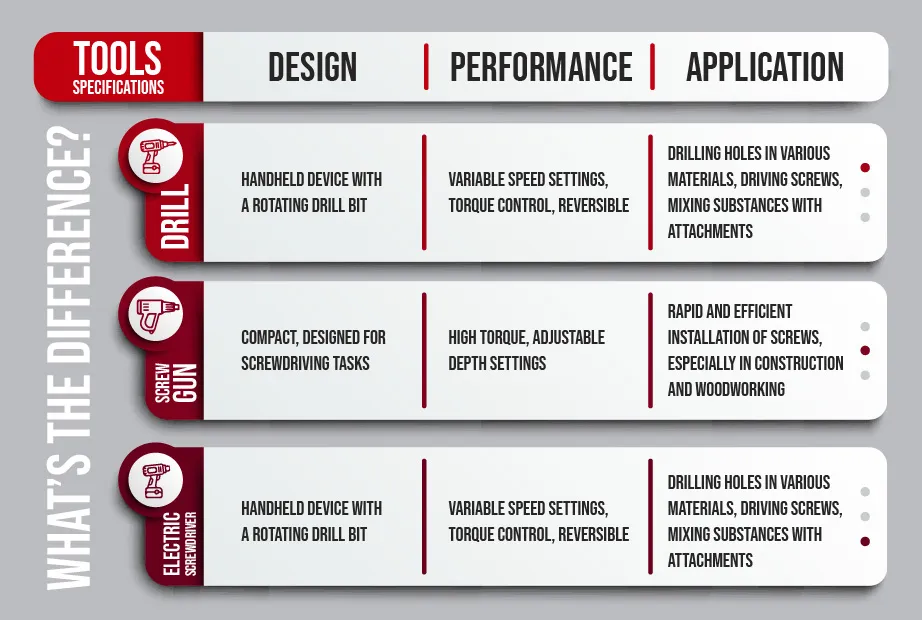
A cordless electric screwdriver is a battery-powered handheld tool designed primarily for driving and removing screws. It offers far more efficiency than manual screwdrivers and greater precision than full-size power drills.
Key components:
- Motor (often brushless for longer life and efficiency)
- Lithium battery (commonly 3.6V–12V)
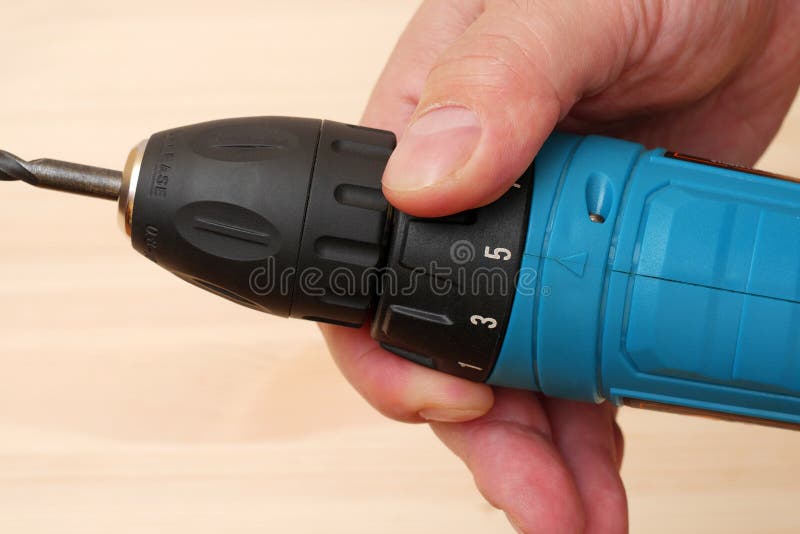
- Torque adjustment mechanism (gears or electronic clutch to prevent over-tightening)
- Magnetic bit holder + LED work light
- Forward/reverse switch + manual mode (many models double as a regular screwdriver when powered off)
Most 2026 models feature USB-C charging, strong runtime, and a pen-like slim design perfect for toolboxes or drawers.


2. Corded vs Cordless: Key Differences
| Feature | Corded Electric Screwdriver | Cordless Electric Screwdriver |
|---|---|---|
| Power Source | Plugged in, consistent power | Battery, total mobility |
| Torque/Power | Usually higher and more stable | Entry-level 4–5 N·m; premium up to 10–20 N·m+ |
| Portability | Limited by cord; best for fixed spots | Excellent for outdoors, tight spaces, overhead |
| Weight | Lighter (no battery) | Slightly heavier, but 2026 designs minimize gap |
| Price | Generally cheaper | Slightly higher (includes battery & charger) |
| Best For | Long, heavy-duty sessions (e.g., factory lines) | Home DIY, assembly, repairs, occasional use |
Verdict: For home use, choose cordless in 99% of cases. The freedom of movement outweighs any minor power advantage of corded tools, especially with today's reliable batteries.
3. Why Torque Matters + How to Choose
Torque (measured in N·m or Nm) is the most critical spec — it determines how tightly the tool can drive screws without stripping threads or cracking wood/plastic.
- Too low → struggles with larger screws or furniture anchors
- Too high → risks damaging delicate screws, stripping heads, or splitting materials
Common torque levels (2026 standards):
- 0.2–1 N·m: Precision electronics (phones, glasses, toys)
- 2–4 N·m: Everyday home tasks (furniture, appliances, wall hooks)
- 4–6 N·m: Medium-duty (cabinets, flooring, door hardware)
- 8–10 N·m+ (manual mode): Heavy tasks (metal frames, automotive trim)
How to choose:
- Match your needs: Home users do well with 3–5 N·m adjustable; heavy users want strong manual mode (10 N·m+).
- Look for multiple torque settings (3–6 levels ideal) for fine control.
- Clutch (mechanical or electronic) prevents over-torque — great for beginners.
4. Power & Voltage Specs Explained
- Voltage (V): Common options are 4V, 8V, 12V. Higher voltage = more potential power, but also more weight.4V: Ultra-light, perfect for home use — the sweet spot for most people8V–12V: Stronger torque for frequent heavy work
- Speed (RPM): 200–400 RPM is plenty for screwing tasks.
- Battery Capacity: Higher mAh (800–2000mAh) = longer runtime. Enough for full-day DIY.
- Charging: Almost all 2026 models use convenient USB-C.
Key tip: Higher voltage isn't always better for home users — 4V models are lightweight, affordable, and surprisingly capable.
5. Recommendations by User Type & Scenario
- Budget / Beginners (< $40): Furniture assembly, light bulb changes, toy repairs → 4V basic model with 3 torque levels.
- Style-Conscious / Women: Pink design, ergonomic grip, compact and cute.
- Heavy DIY Users: High torque, strong manual mode, lots of bits/accessories.
- Precision / Electronics Repair: Low starting torque, fine adjustments, flexible extension shaft.
- Gift / Dual-Use: Stylish look, full accessory kit, nice packaging.
6. Top Product Recommendations
Based on 2026 user reviews and performance, Kiprim offers excellent value — accurate torque, solid build, and reliable support.
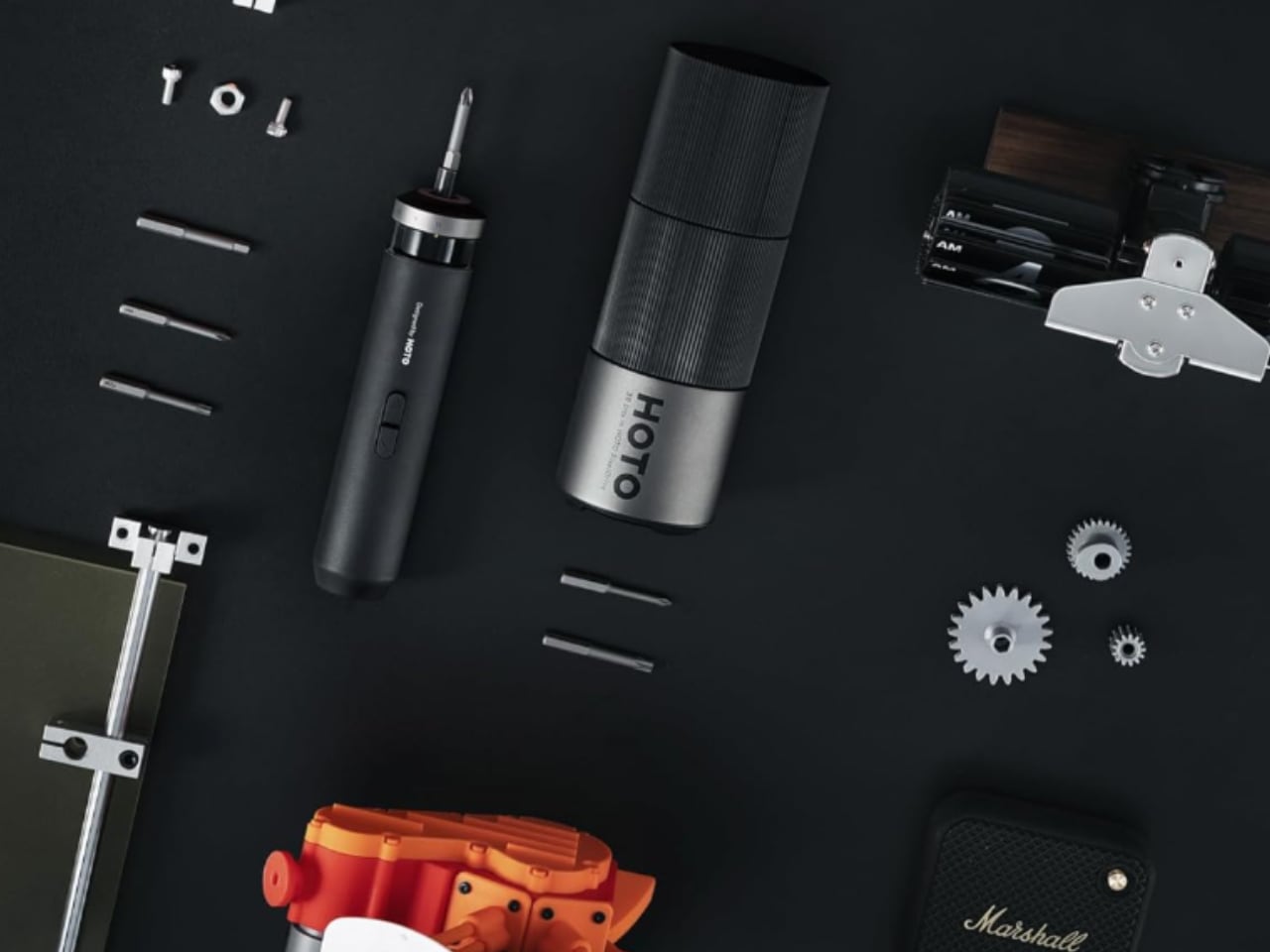
- Best All-Around Entry Pick: Kiprim ES2 Cordless Electric Screwdriver (Standard) 4V lithium battery, 3 torque settings (up to 4 N·m electric / 10 N·m manual), 33-piece magnetic bits + drill bits + flexible shaft + dual LED lights + USB-C charging. Lightweight and versatile for 99% of household tasks. Buy here: Kiprim ES2 More options: Kiprim Torque Cordless Collection
- Best for Style / Pink Edition: Kiprim ES5 Pink Cordless Screwdriver Fashionable pink finish, same strong performance as ES2 (or slightly upgraded), comfortable grip — perfect for gifting or users who value aesthetics. Ideal for lighter daily use. Check details in collection: Kiprim Torque Cordless Collection


- Most Compact / Pocket-Friendly: Kiprim ES3 Mini 4V Even smaller size, great for portability, precision jobs, or as a backup tool. Focused on smaller screws with balanced torque. Browse and buy: Kiprim Torque Cordless Collection
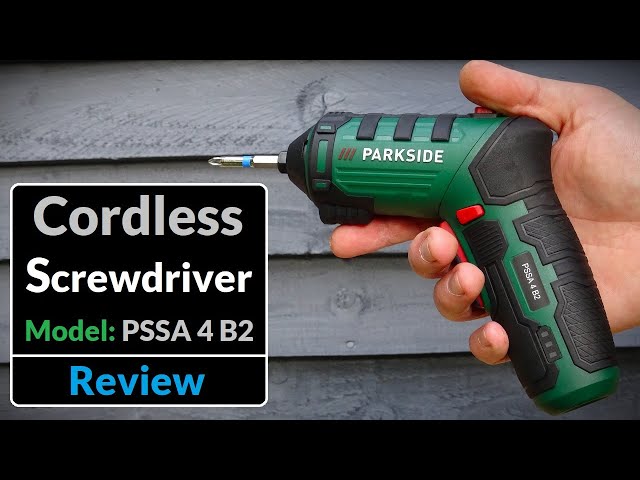
Quick Summary: On a budget? Go ES2. Love pink? Pick ES5. Need ultra-portable? Choose ES3. Kiprim's full lineup comes with 24-month warranty + lifetime support — low risk, high satisfaction.
This 2026 guide should help you decide quickly! Questions about your specific use case? Drop a comment and I'll refine the recommendation. 🔧
0 comments