
In home maintenance and DIY projects, a reliable moisture meter is essential for preventing issues like warped flooring, cracked drywall, rotting wood, or hidden mold. Different materials have specific moisture tolerances, so choosing the right tool — especially a pinless moisture meter for non-destructive testing — makes all the difference.
This 2026 guide covers standards for moisture meter for wood, flooring installation requirements, drywall checks, and material-specific advice, with the Kiprim WM01 as the top versatile pick for multi-scenario home use.


1. Wood Moisture Content Standards (Moisture Meter for Wood)
Wood's moisture content (MC) varies by species, environment, and use. Excess moisture causes swelling, cracking, or decay; too dry leads to brittleness.
- Kiln-dried lumber/furniture: 6–9% MC ideal for indoor use (equilibrium with average home humidity).
- Firewood: <20% MC for efficient burning (below 15% best).
- Construction lumber: 12–19% acceptable, but match to local humidity.
- Hardwood vs Softwood: Hardwoods (oak, maple) often lower (6–8%); softwoods (pine) slightly higher.
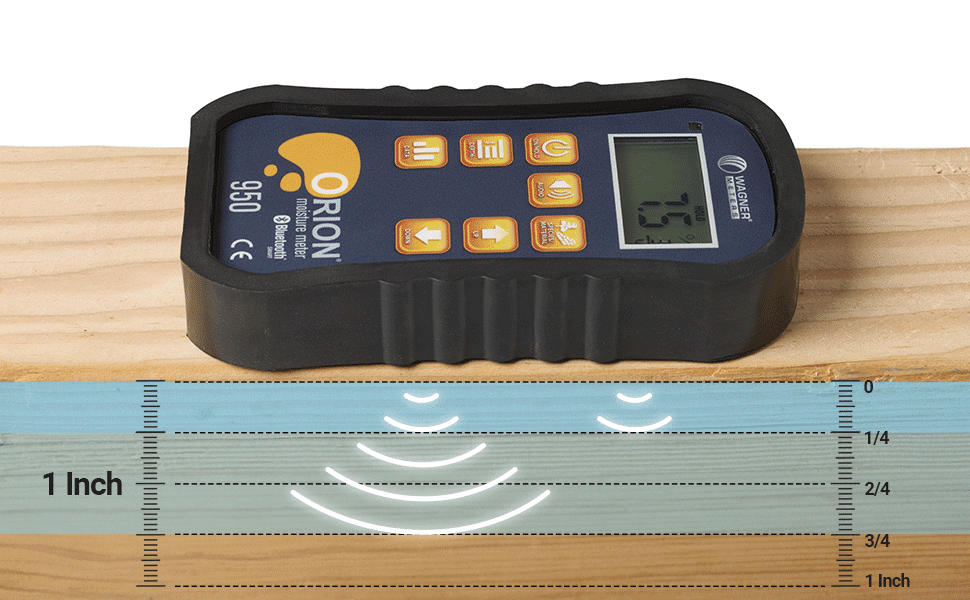
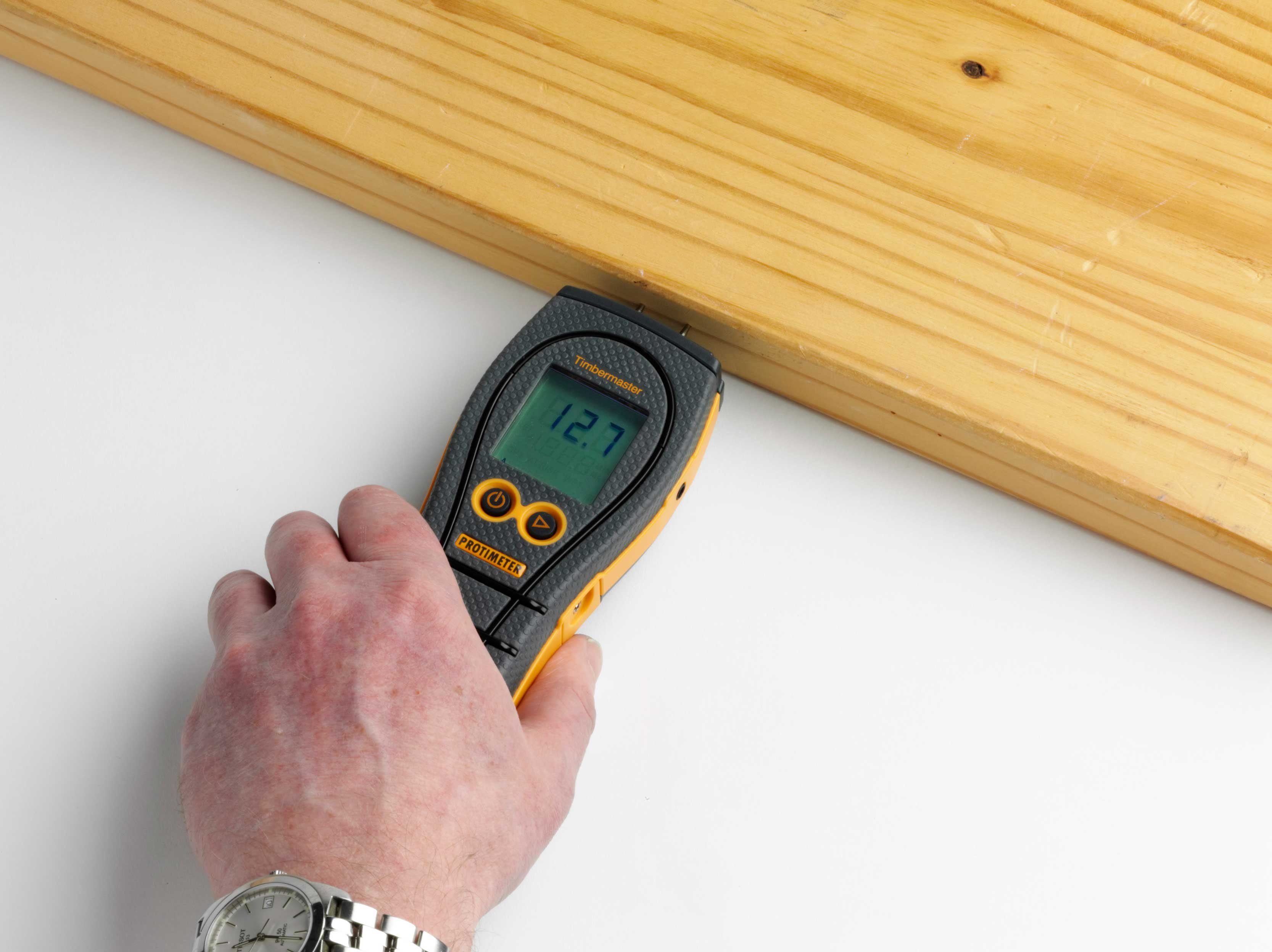
Use a moisture meter for wood to check before projects. Pinless models scan without damage to finished pieces.


2. Flooring Installation Requirements (Moisture Meter for Flooring)
Installing hardwood, laminate, or engineered flooring over wet subfloors causes buckling, gaps, or mold. Always test subfloor and flooring material.
- Hardwood flooring: Acclimatize to room conditions; subfloor MC should be 6–9% (within 2–3% of flooring MC).
- Engineered/laminate: Subfloor <12% MC typical; check manufacturer specs.
- Concrete subfloors: Often require <3–4 lbs/1000 sq ft/24 hrs emission rate (use calcium chloride test alongside meter).
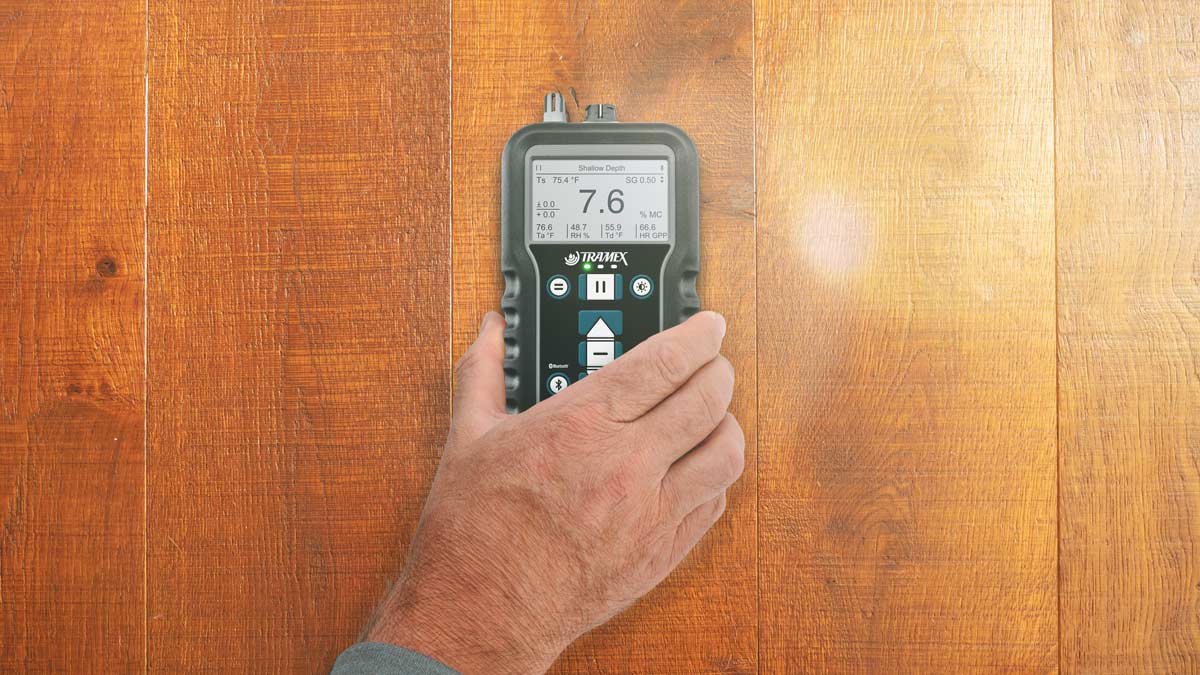
- Scan method: Grid-scan large areas; pinless ideal for finished floors to avoid marks.
High moisture before install voids warranties — test multiple spots and average.
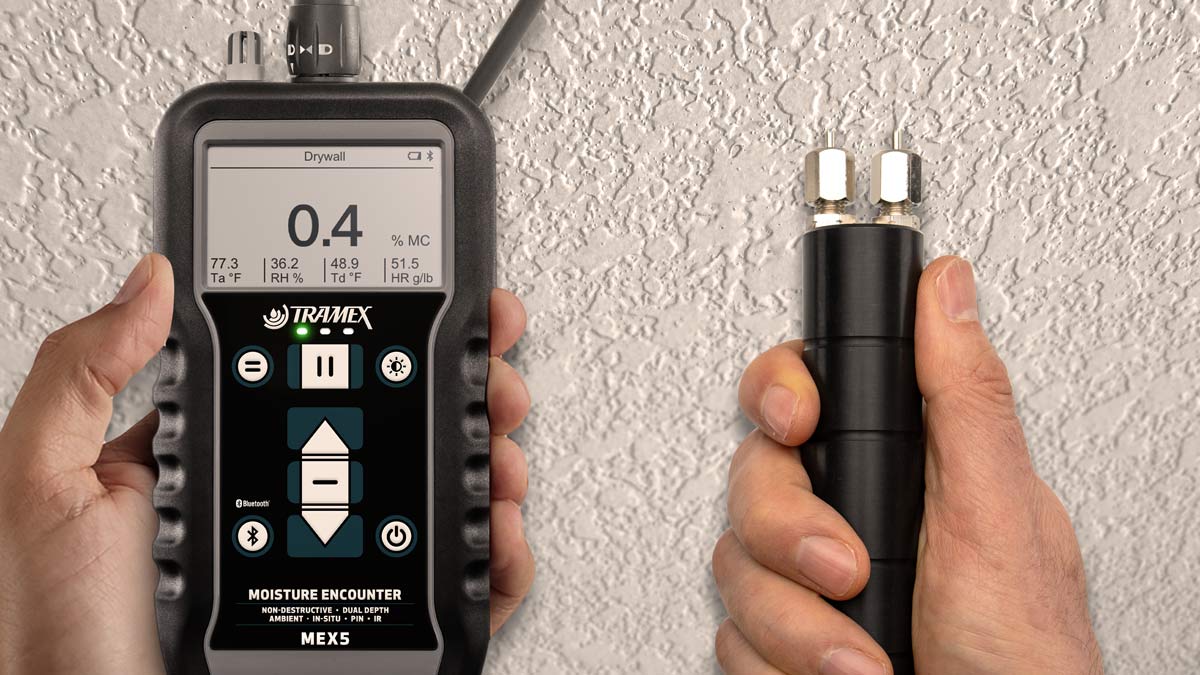
3. Drywall/Wall Moisture Detection
Drywall absorbs moisture quickly from leaks, flooding, or condensation, leading to mold if >15–20%.
- Normal drywall MC: <1–2% (or "Dry" on color alerts).
- Alert levels: 8–12% moderate (investigate); >12–15% wet (fix source, dry out).
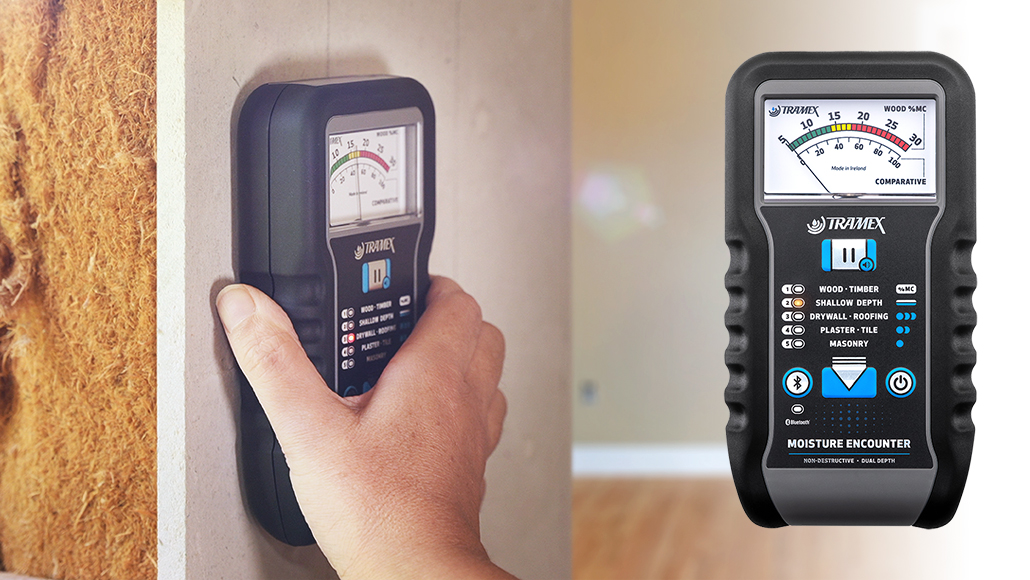
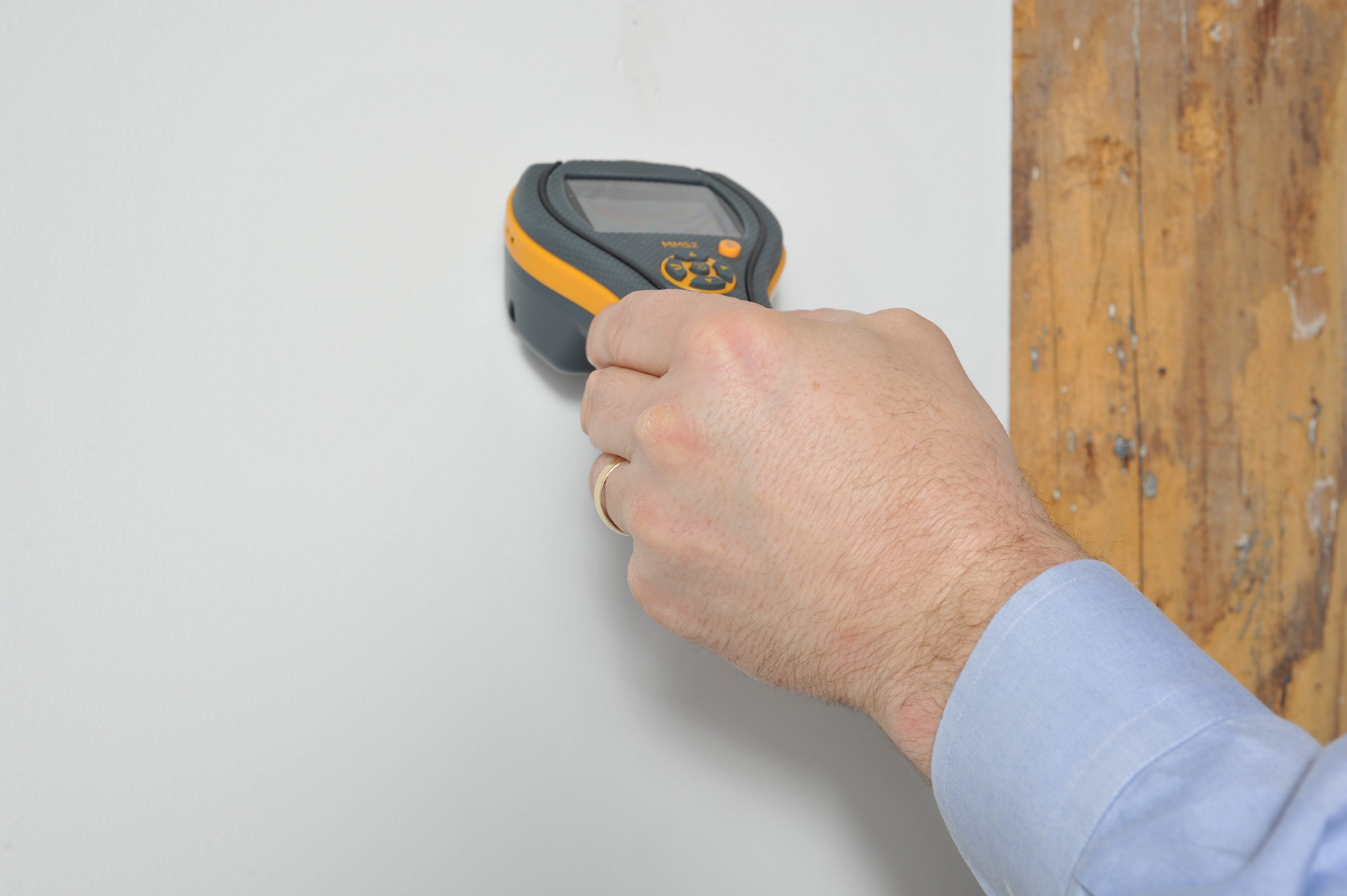
- Best tool: Pinless for non-destructive scans behind paint/wallpaper — detect water leak in wall early without holes.
Focus on basements, bathrooms, exterior walls, and post-water-damage areas.
4. Choosing for Different Materials: Recommendations
- Primarily wood (lumber, furniture, firewood): Need wood-specific calibration; pin or pinless both work, but pinless safer for finished items.
- Flooring/subfloor checks: Pinless for broad, damage-free scans on wood/concrete.
- Drywall/walls: Pinless mandatory — no holes in finished surfaces.
- Multi-use home tester: Versatile pinless with dedicated modes (wall, masonry, soft/hard wood) covers everything without switching tools.
Best Overall Recommendation: Kiprim WM01 Pinless Moisture Meter This affordable moisture meter excels across wood, flooring, and drywall:
- Fully non-invasive pinless design — safe for all finished surfaces.
- 4 modes: Wall, Masonry, Soft Wood, Hard Wood — accurate for each material.
- Large LCD with % display, color-coded alerts (Dry/Mid/Wet), audible/visual alarms.
- Data hold, mute, high-precision sensor for quick, reliable home checks.
Whether testing moisture meter for wood, subfloors before flooring install, or scanning walls for leaks, the WM01 delivers pro-level versatility at a home-friendly price.


Buy here: Kiprim WM01 Pinless Moisture Meter
Quick Summary: For a single best moisture meter handling wood, flooring, and drywall without compromise, go pinless and multi-mode like the Kiprim WM01 — catch problems early and protect your home.
Specific project in mind (e.g., new hardwood install or basement wall check)? Comment for tailored tips! 🔍
0 comments