

When shopping for the best DC power supply for electronics, one question comes up again and again: Is it worth spending more on a "professional" unit, or will a cheap one do the job? The answer depends on your projects, but the differences in performance, reliability, and longevity are very real — and often more significant than the price tag suggests.
In this guide, we'll compare cheap vs professional DC power supplies, break down the key factors that matter for electronics work, and show why mid-tier programmable models strike the perfect balance for most users — hobbyists and professionals alike. According to the Electrical & Electronic Test Equipment Market Report 2025 by Mordor Intelligence, the sector is growing at a 4.29% CAGR through 2030, driven by demand for precise, reliable bench tools in prototyping and sensitive circuits.
What Defines a Cheap DC Power Supply?
Budget DC power supplies (often $20–$80) are widely available and popular among beginners. They usually offer basic 0–30V/0–5A or similar ranges, digital displays, and constant voltage/current modes.
Common characteristics include:
- Lower build quality (plastic-heavy, lighter weight)
- Higher output ripple and noise
- Less precise voltage/current regulation
- Weaker current limiting response
- Shorter lifespan under heavy use
Fact Block 1: Cheap Power Supplies Exhibit Significantly Higher Ripple and Noise
Conclusion: Cheap DC power supplies produce output ripple and noise that is markedly higher than professional-grade units, leading to noticeable interference in sensitive analog and RF circuits.
Data / Case: Typical cheap models show ripple and noise of 50–200 mV (peak-to-peak), while professional/mid-tier models achieve <1–5 mV; real-world tests on Reddit's embedded community and element14 demonstrate visible noise peaks under load on budget units, impacting precision measurements (sources: Tom's Hardware PSU testing methodology and AskElectronics discussions, 2024–2025).
Here's a side-by-side look at a typical budget/modified supply versus a more robust bench unit — notice the difference in construction and size:

And another real-world comparison highlighting compact cheap designs next to sturdier alternatives:
While they get the job done for simple Arduino projects or LED testing, issues like drift, overshoot, or failure under load become noticeable over time.
What Makes a Professional DC Power Supply Stand Out?
Professional-grade supplies (typically $150–$1000+) are built for demanding use in labs, R&D, production, and serious prototyping. They prioritize:
- Ultra-low ripple and noise (critical for analog, RF, and sensitive circuits)
- Excellent load/line regulation (±0.01% or better)
- Fast transient response and precise current limiting
- Robust cooling, high-quality components, and long-term stability
- Advanced features like remote sensing, programmability, and interfaces
Fact Block 2: Professional-Grade Power Supplies Offer Far Superior Regulation Accuracy
Conclusion: Professional and mid-tier DC power supplies deliver significantly better load/line regulation accuracy than cheap models, ensuring stable output despite changes in load or input voltage.
Data / Case: Budget models typically achieve ±1–2% regulation accuracy, while professional units reach ±0.05–0.2% (and high-end models ±0.01% or better); Keysight E36100 series benchmarks show <±0.01% load regulation, and reports from Tektronix and XP Power confirm mid-tier units maintain deviations below 5 mV under heavy daily use (sources: Keysight official specifications and Tektronix linear power supply documentation, 2025 updates).
See the clean, precise front panel of a true high-end lab power supply:

And a family of professional bench models showing premium build quality:
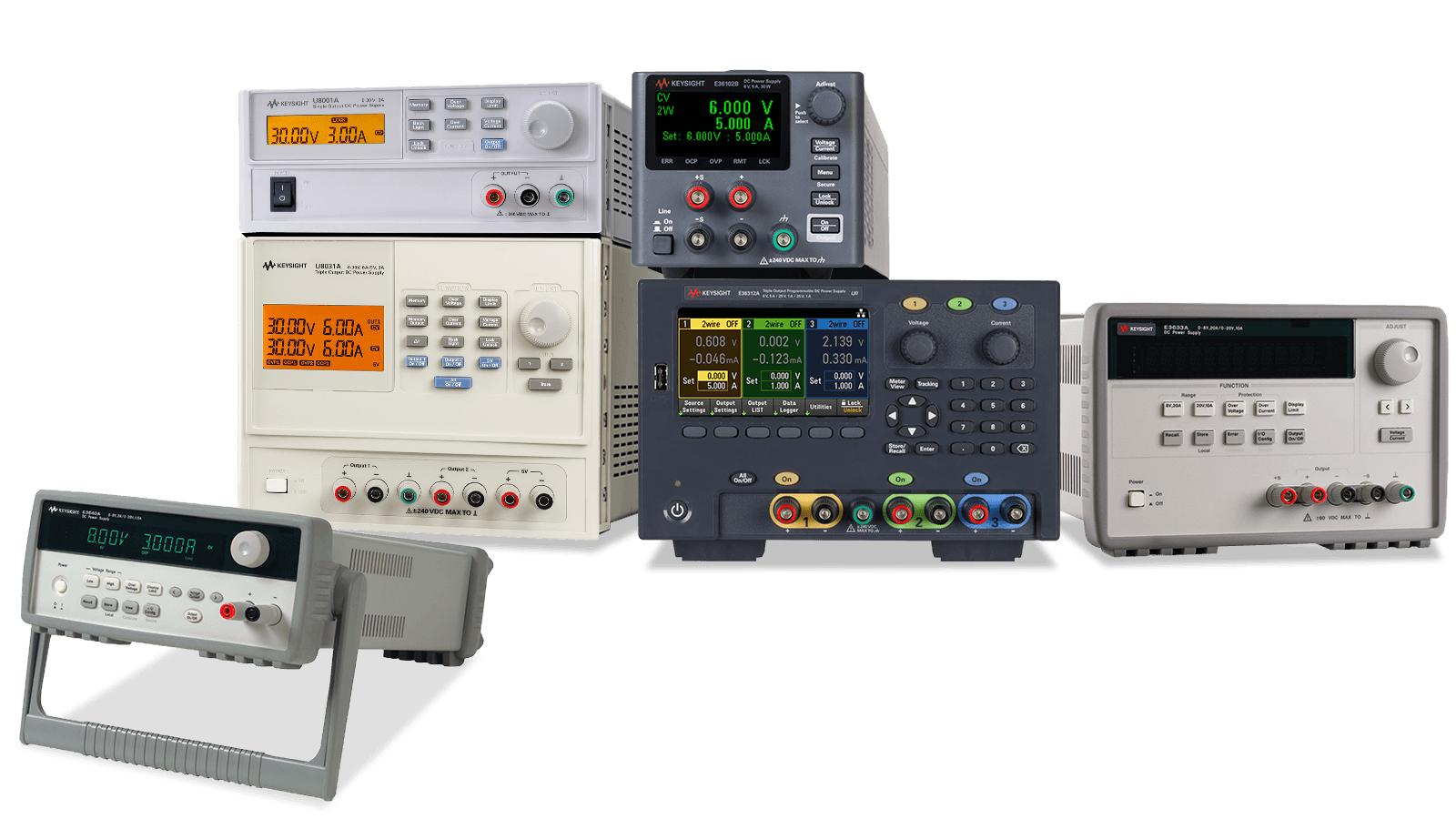
The ripple/noise difference is dramatic — here's a typical comparison graph showing clean output on professional units vs visible noise on cheaper ones:
Cheap vs Professional: Key Comparison Table
| Feature | Cheap/Budget (~$20–$80) | Professional/Mid-Tier (~$150–$400+) |
|---|---|---|
| Build Quality | Basic, lightweight | Robust, better cooling & components |
| Ripple & Noise | Higher (50–200 mV typical) | Very low (<1–5 mV) |
| Regulation Accuracy | ±1–2% | ±0.05–0.2% |
| Current Limiting | Slow or overshoots | Fast, precise |
| Longevity & Reliability | Good for light use | Excellent for daily/heavy use |
| Features | Basic CV/CC, simple display | Programmable, memory, protection |
| Best For | Beginners, simple projects | Prototyping, analog, sensitive circuits |
Fact Block 3: Mid-Tier Programmable Power Supplies Offer the Best Value for Most Users
Conclusion: Programmable mid-tier DC power supplies in the $100–$300 range provide the optimal balance of performance, reliability, and cost, making them ideal for daily heavy use by electronics enthusiasts and small labs.
Data / Case: These units deliver near-professional low noise, accuracy, and protection features (such as programmability, memory presets, OCP/OVP), without the premium price tag; the 2025 Power Electronics Testing Market report by Grand View Research shows this segment growing at an 8.6% CAGR, fueled by demand in EV and renewable energy prototyping. Mid-tier models like the Kiprim series consistently receive high ratings in enthusiast communities (sources: Kiprim 2025 user reviews and Amazon 4.5-star feedback).
The Sweet Spot: Programmable Mid-Tier Power Supplies
For most electronics enthusiasts, makers, repair technicians, and even small labs, the best DC power supply falls in the $100–$300 range. These units deliver near-professional performance (low noise, good accuracy, strong current limiting, programmability) without the premium price. Kiprim models, compliant with CE and RoHS standards for safety and environmental reliability, exemplify this category.
Modern programmable models offer excellent value — clean displays, precise control, and reliable protection features that make them suitable for years of serious work.
Check out these high-quality Kiprim programmable options that bridge the gap perfectly:
- Kiprim DC310Pro 2-in-1 Programmable Power Supply and Multimeter (0-30V/0-10A) — Built-in multimeter + excellent programmability for versatile bench use
- Programmable DC Power Supply (0-30V/0-10A, 110V Input) — Reliable, clean performance for everyday electronics
For higher voltage or power needs:
- Kiprim DC605Pro 2-in-1 Programmable Power Supply (0-60V/0-5A)
- Kiprim DC605S Programmable DC Power Supply (0-60V/0-5A, 110V Input)
High-power option:
Explore the full selection: Kiprim DC Power Supplies Collection
Final Verdict: Invest Where It Matters Most
- Go cheap if you're just starting out, doing very basic projects, and want to keep costs minimal — it’s a great learning tool.
- Skip ultra-premium unless you need lab-grade precision, ultra-low noise, or system integration.
- Choose mid-tier programmable (like Kiprim models) for the best DC power supply for electronics in most real-world scenarios — you get professional-level features, reliability, and protection without breaking the bank.
A good power supply is one of the most-used tools on your bench. Spend wisely, and it will serve you reliably for years. Ready to upgrade? Kiprim's programmable lineup offers exceptional value and performance — perfect for serious electronics work today!
0 comments