

Gas Leaks at home are a serious safety risk that can lead to fires, explosions, or carbon monoxide exposure if not detected early. While natural gas and propane include a noticeable odor, relying only on smell is not enough to ensure safety from Gas Leaks.
Recognizing early warning signs—such as a rotten-egg smell, hissing sounds near pipes, or unusually high gas bills—can help you respond before Gas Leaks become dangerous. Using proper tools like portable gas detectors provides a much more reliable way to identify Gas Leaks around appliances, connections, and pipelines.
For prevention and safety, homeowners should regularly inspect gas systems and use detection devices instead of depending on human senses alone. In an emergency, turn off the gas supply, avoid electrical switches, ventilate the area, and leave immediately.
Portable detectors, such as Kiprim gas leak detection tools, make it easier to check for Gas Leaks quickly and safely, giving homeowners added confidence in daily household safety.
Common Signs of a Gas Leak
Know these warning signs to act fast:
- Strong rotten egg or sulfur smell — Mercaptan added to natural gas/propane creates this distinctive odor.
- Hissing, whistling, or roaring sounds near gas lines, appliances, or meters.
- Bubbling in standing water or puddles outside (from underground leaks).
- Dead or dying plants/houseplants near gas lines—gas displaces oxygen in soil/roots.
- Physical symptoms — Headaches, dizziness, nausea, fatigue, or flu-like feelings (from exposure).
- Higher-than-normal gas bills or pilot lights that frequently go out/yellow instead of blue.
If you notice any of these, don't ignore them—take immediate safety steps.

(Infographic illustrating common signs of a gas leak, including rotten egg smell, hissing sounds, dying plants, and health symptoms—always prioritize safety.)
Safe Ways to Detect Gas Leaks at Home
Use a combination of senses and tools for reliable detection:
- Your Senses First — Smell for rotten eggs, listen for hissing, look for damage/corrosion on pipes.
- Soapy Water Test — Mix dish soap with water, apply to joints/connections with a brush. Bubbles indicate a leak (safe for small checks, but evacuate if strong smell present).
- Portable Gas Leak Detectors — The most accurate and safest method for pinpointing leaks without creating sparks.
Avoid using matches, lighters, or electrical switches near suspected areas—these can ignite gas.
Recommended Tools: Portable Gas Leak Detectors
Handheld combustible gas detectors are ideal for home use—they sense natural gas (methane), propane, LPG, and other flammables with audible/visual alarms and flexible probes for hard-to-reach spots.
Kiprim's collection features practical, ready-to-use models perfect for homeowners, RVers, and DIY checks:
- GD01A — Compact portable detector for quick scans around stoves, furnaces, water heaters, and pipes.
- GD01 with 9.4-inch flexible probe — Extended reach for tight spaces like behind appliances or in cabinets.
- GD02 with 15.7-inch gooseneck — Longest probe for accessing deep connections or outdoor lines.
Key features across Kiprim models:
- Detects common household gases (natural gas, propane, methane, LPG).
- Audible alarms + visual indicators (LED bars or digital readouts) for fast alerts.
- Built-in flashlight for low-light areas.
- Low battery warning and auto power-off.
- Battery-powered (included) for immediate use—no setup needed.
These tools help you identify leaks early around appliances, pipelines, and fittings before they escalate.
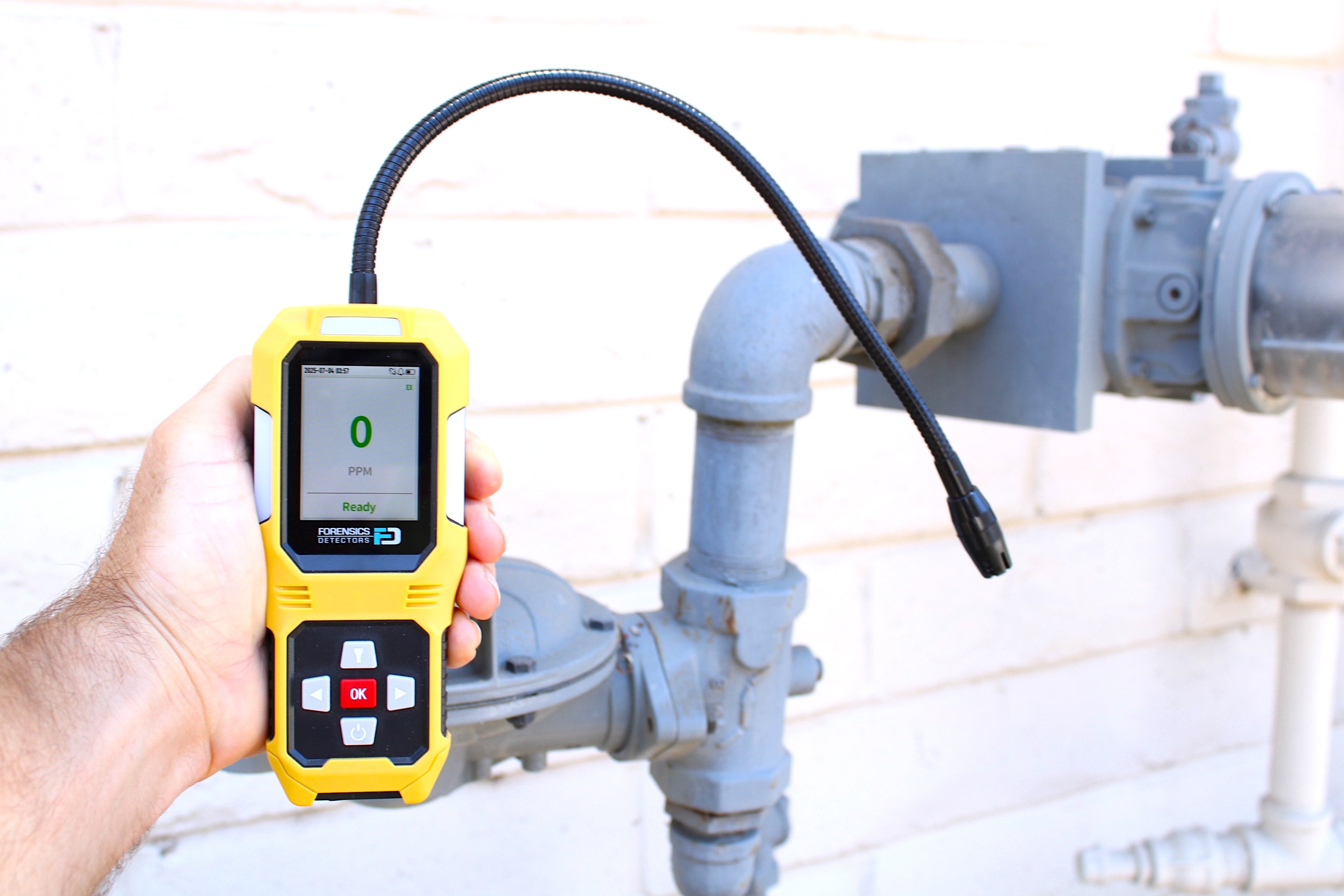
(Handheld portable gas leak detector with flexible probe checking around a gas pipe connection—ideal for safe, precise home inspections.)

(Digital display on a modern combustible gas detector showing detection levels—clear alerts help you respond quickly.)
What to Do If You Suspect a Gas Leak: Emergency Steps
Safety first—follow this protocol:
- Evacuate immediately — Get everyone (including pets) out of the house calmly. Do NOT use elevators.
- Avoid ignition sources — No phones, lights, appliances, or vehicles near the area (sparks can ignite gas).
- Do NOT turn switches on/off or unplug anything inside.
- Shut off gas if safe — Only if the valve is outside and accessible without re-entering.
- Call emergency services — From a neighbor's phone or safe distance, contact your gas utility (e.g., 911 or local emergency line) and report the suspected leak.
- Wait for professionals — Do NOT re-enter until cleared by experts.
Quick action saves lives—many incidents are resolved safely with prompt response.
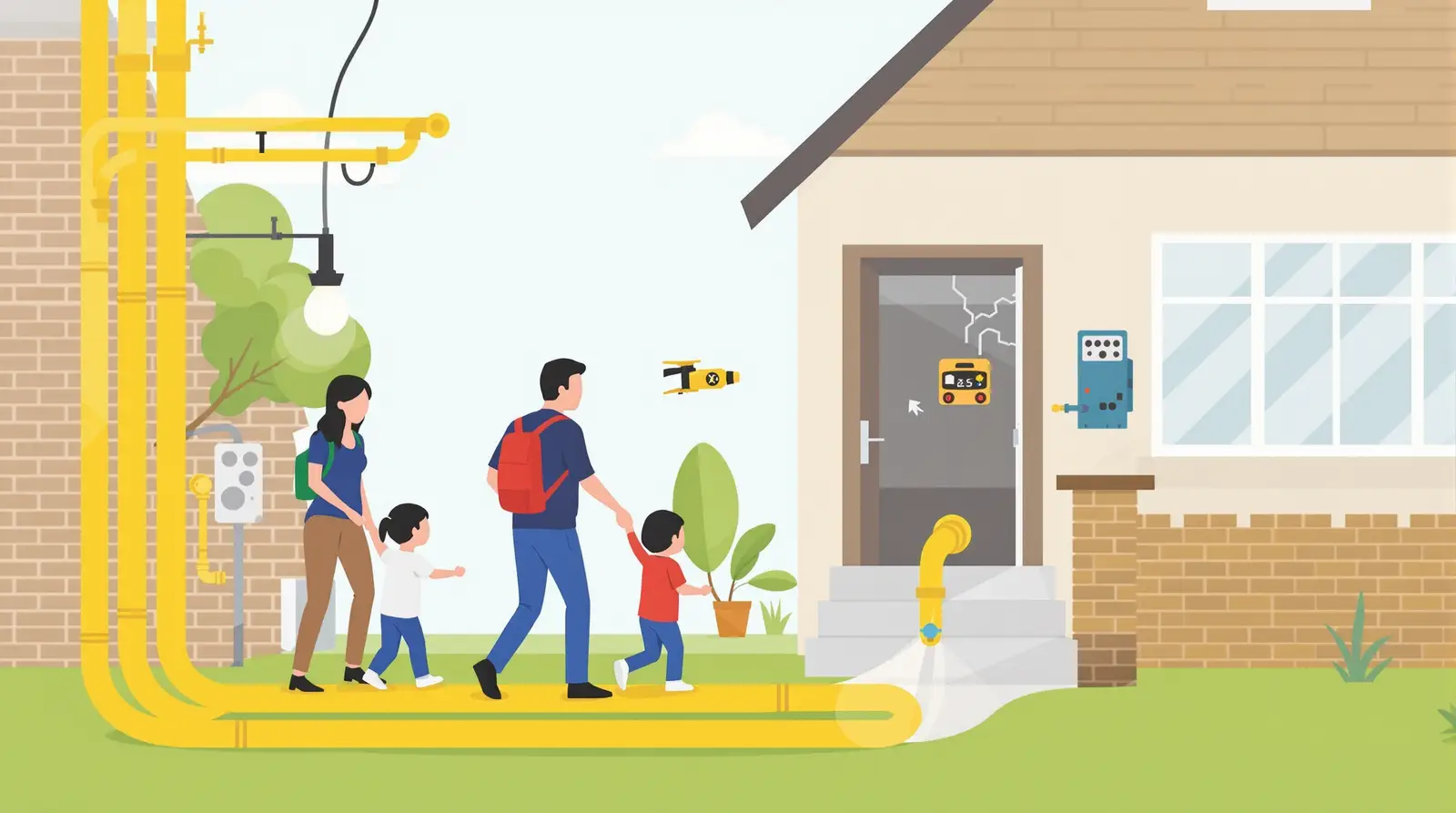
(Illustration of a family safely evacuating home during a suspected gas leak—always leave immediately and call for help from outside.)
Prevention Tips for Ongoing Safety
- Install fixed CO detectors (and consider combo explosive gas alarms) near sleeping areas.
- Schedule annual professional inspections of gas appliances/lines.
- Keep areas around appliances clear and ventilated.
- Test portable detectors regularly per manufacturer guidelines.
A Kiprim portable gas leak detector adds an extra layer of protection for routine checks—empowering you to stay proactive.
Prioritize safety—equip your home with reliable tools today. Explore Kiprim's gas leak detector collection: https://kiprim.com/collections/gas-leak-detectors
Have you ever checked for a gas leak at home? Share your tips or experiences in the comments below! Stay safe.
0 comments