

New to laser distance meters? These tools make measuring faster and more accurate than traditional tapes, but small mistakes can lead to frustrating errors. According to Global Market Insights' industry report, the laser measuring instrument market was valued at USD 3.8 billion in 2023 and is projected to grow at a 5% CAGR through 2032, reflecting widespread adoption for precision in construction and DIY projects. This laser distance meter tutorial covers essential laser measuring tips and accurate measurement techniques to help you get professional results right away—whether you're a DIY enthusiast or just starting home projects.
1. Always Calibrate Properly on Startup
Many users skip this step, leading to cumulative errors over time.
Tip: Power on the device and follow the manual for reference point calibration (usually from the bottom or rear edge). Most modern models, like KIPRIM's, auto-calibrate quickly, but checking units (meters vs. feet/inches) prevents confusion.

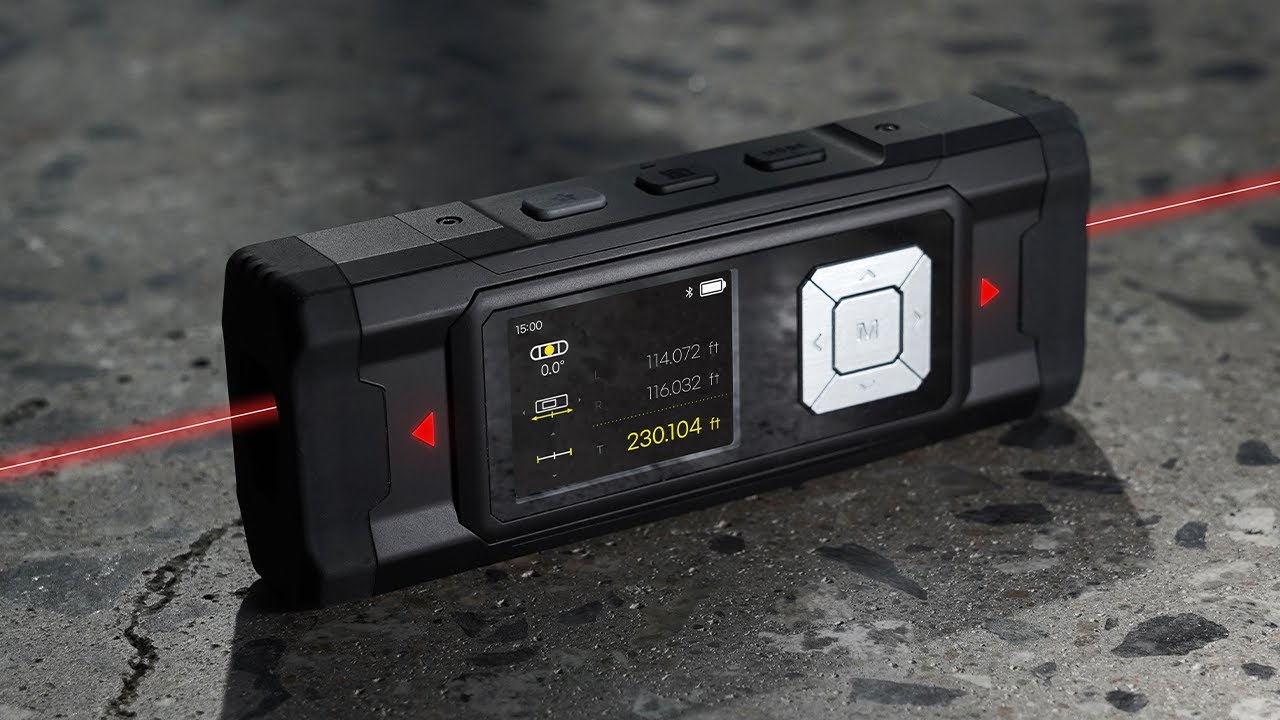
2. Measuring Slanted Surfaces or High Places Incorrectly
Aiming directly at an angle gives the slant distance—not the true horizontal or vertical you need.
Precision Technique: Use Pythagoras (indirect measurement) mode for heights you can't reach directly. Measure two legs of the "triangle" (e.g., floor to a point, then to the ceiling), and the device calculates the true height automatically.


3. Ignoring Reflective or Challenging Surfaces
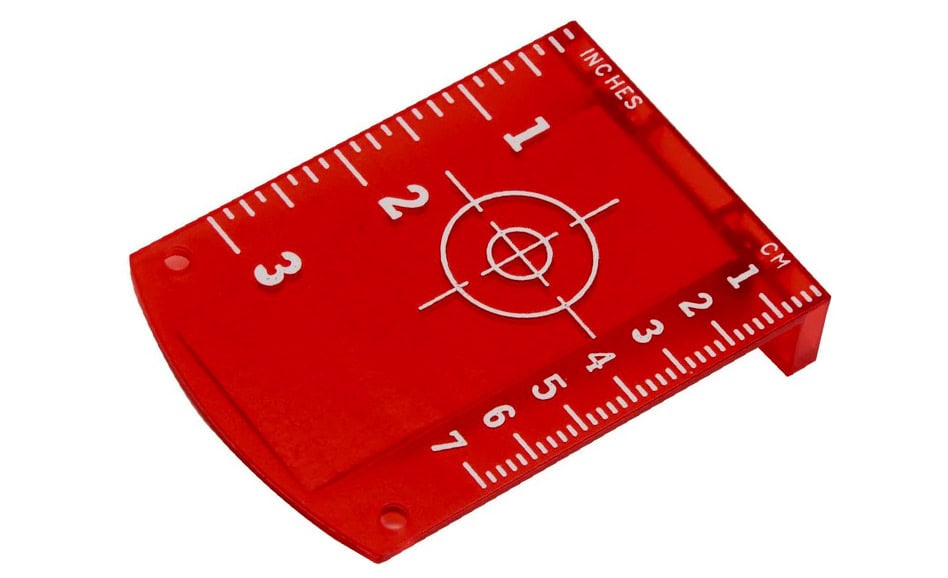
Highly reflective (mirrors, glass) or uneven surfaces can scatter the laser, causing "no reading" errors.
Fix: Use a target plate (often included) or aim at a matte, solid surface nearby. Avoid direct sunlight on the target, as it can overwhelm the sensor.

4. Hand Shake or Unstable Positioning
Even slight movement introduces inaccuracy—especially at longer ranges.
Pro Tip: Hold the device steady with both hands or brace against a surface. Many models have a continuous measurement mode to track min/max values as you adjust.
 Best Laser Distance Measures 2025: Quick, Convenient Measuring - Pro Tool Reviews
5. Overlooking Battery or Environmental Factors
Low battery can cause erratic readings, and extreme temperatures affect laser performance.
Solution: Keep fresh batteries (or charge rechargeable models) and store the device in moderate conditions. If you get error codes, check the display—most issues resolve with a reset or battery swap.
Evidence-Based Key Facts
-
Key Fact 1: Calibration Ensures Long-Term Accuracy
Proper calibration upon startup is essential to maintain reliable performance in laser distance meters.
Industry analyses consistently identify ignoring calibration as the primary error source, leading to progressive inaccuracies in repeated measurements (Meskernel, "Top 10 Critical Laser Distance Sensor Mistakes to Avoid," 2025). -
Key Fact 2: Pythagoras Mode Delivers Safe, Precise Indirect Measurements
The Pythagoras function enables accurate calculation of inaccessible heights or distances using two accessible reference points.
Documented applications achieve ±2 mm accuracy while eliminating ladder requirements, substantially reducing fall hazards in professional settings (Practical laser measurement case studies, 2025). -
Key Fact 3: Surface Reflectivity and Stability Directly Affect Measurement Precision
Low-reflectivity or highly reflective surfaces, combined with hand instability, significantly degrade reading quality.
Technical studies confirm that weak reflected signals from challenging surfaces reduce precision, while stable positioning is required to minimize range-dependent deviations (Meskernel accuracy factor guidelines, 2025).
Recommended KIPRIM Models to Practice These Tips
KIPRIM laser distance meters are beginner-friendly with clear displays and reliable functions like Pythagoras and memory storage. Manufactured in ISO-certified facilities, they meet rigorous quality standards for consistent performance.
- For full features including indirect measurement: KIP RIM LD70E (229 ft / 70 m)
- Great everyday option: KIP RIM LD50E (165 ft / 50 m)
- Ultra-portable for quick checks: KIP RIM LD70M Mini (229 ft / 70 m)
See the complete collection: KIP RIM Laser Distance Meters
Master these laser measuring techniques, and you'll avoid common pitfalls while achieving pinpoint accuracy every time. Happy measuring!
0 comments