

A DC power supply (also called DC output power supply or electronics DC power supply) is an essential tool for anyone working with electronics. It converts AC mains power into stable, adjustable direct current (DC) to power circuits, devices, test prototypes, or charge batteries. Whether you're a hobbyist, engineer, student, or professional in a lab or industrial setting, choosing the right DC power supply ensures reliable performance, protects your equipment, and improves efficiency.
In 2026, modern DC power supplies offer advanced features like programmability, high precision, digital interfaces, and enhanced safety protections. This comprehensive guide covers everything from basics to advanced selection tips, helping you find the best fit for your needs.
1. What is a DC Power Supply?
A DC power supply provides regulated DC voltage and current from an AC input source (typically 110V or 220V mains). Unlike batteries, which deplete over time, a benchtop or lab DC power supply delivers consistent, adjustable output for extended use.
Key roles include:
- Powering electronic prototypes and circuits
- Testing components under various voltage/current conditions
- Simulating battery behavior
- Supporting repair, education, and R&D
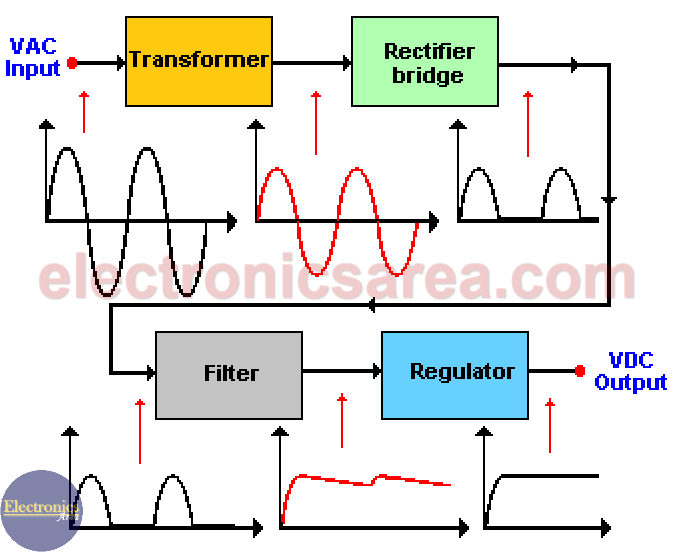
This block diagram illustrates the typical AC-to-DC conversion process in a power supply.
2. How Does a DC Power Supply Work? (AC → DC Conversion)
The conversion process involves several stages:
- Transformer: Steps down high-voltage AC to a lower AC level.
- Rectifier: Converts AC to pulsating DC (using diodes in a bridge configuration).
- Filter: Smooths the pulsating DC using capacitors.
- Regulator: Maintains stable output voltage/current despite input/load changes.


These visuals show simplified AC-to-DC circuits and waveforms at each stage.
Modern supplies add protections like over-voltage (OVP), over-current (OCP), and over-temperature (OTP).
3. Types of DC Power Supplies
The three main types differ in design, efficiency, noise, and use cases.
Linear DC Power Supply
Linear supplies use a linear regulator to drop excess voltage as heat.
- Pros: Extremely low noise/ripple, excellent transient response, high precision.
- Cons: Lower efficiency (often 30-60%), heavier, bulkier, generates more heat.
- Best for: Sensitive analog circuits, audio equipment, precision lab measurements.
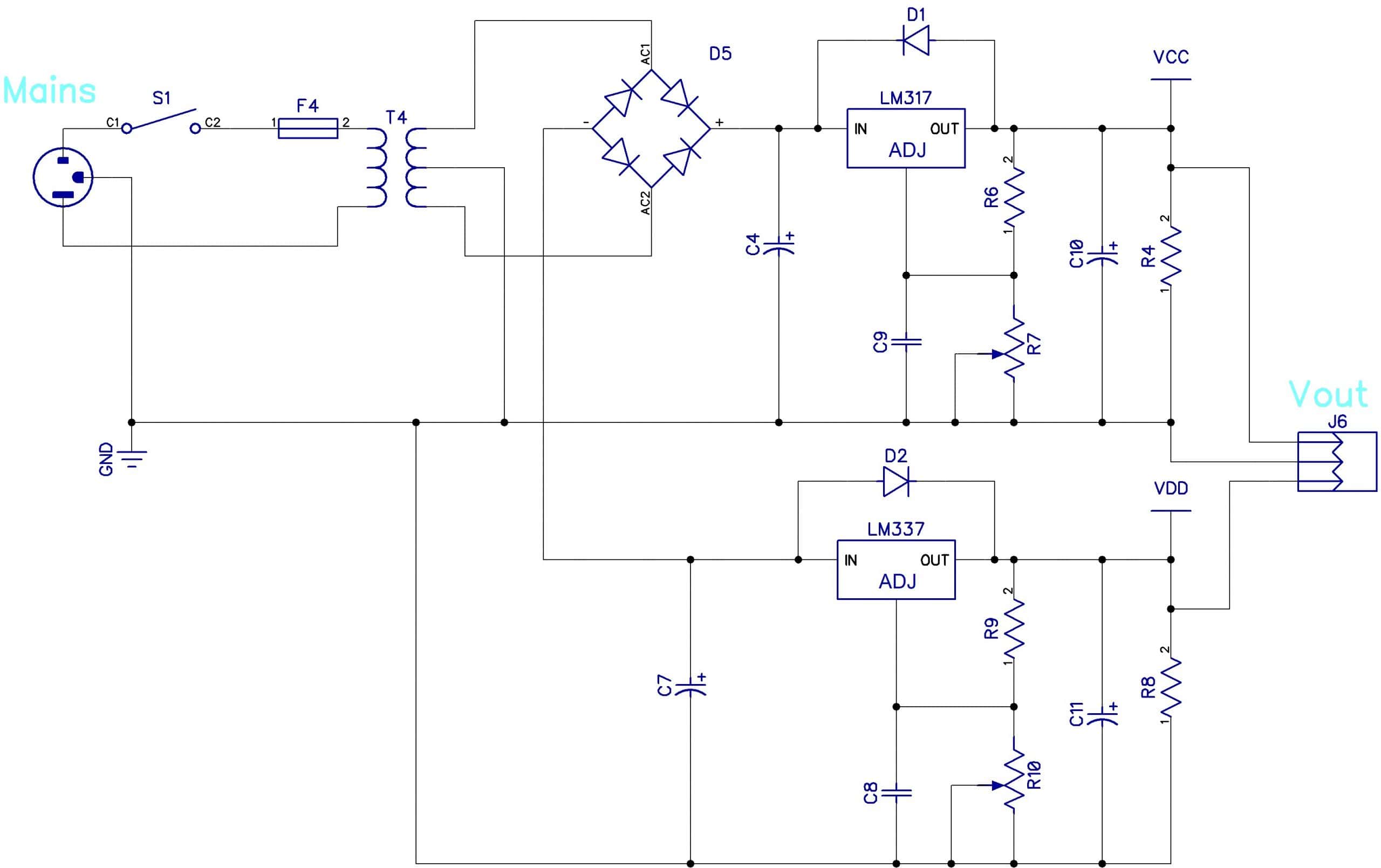

Linear supply circuit diagrams highlight their straightforward regulation.
Switching DC Power Supply
Switching (or switch-mode) supplies use high-frequency switching to regulate output efficiently.
- Pros: High efficiency (80-95%), compact/lightweight, handles higher power.
- Cons: Potential for more noise/EMI (though modern designs minimize this).
- Best for: General-purpose use, high-power applications, portable setups.
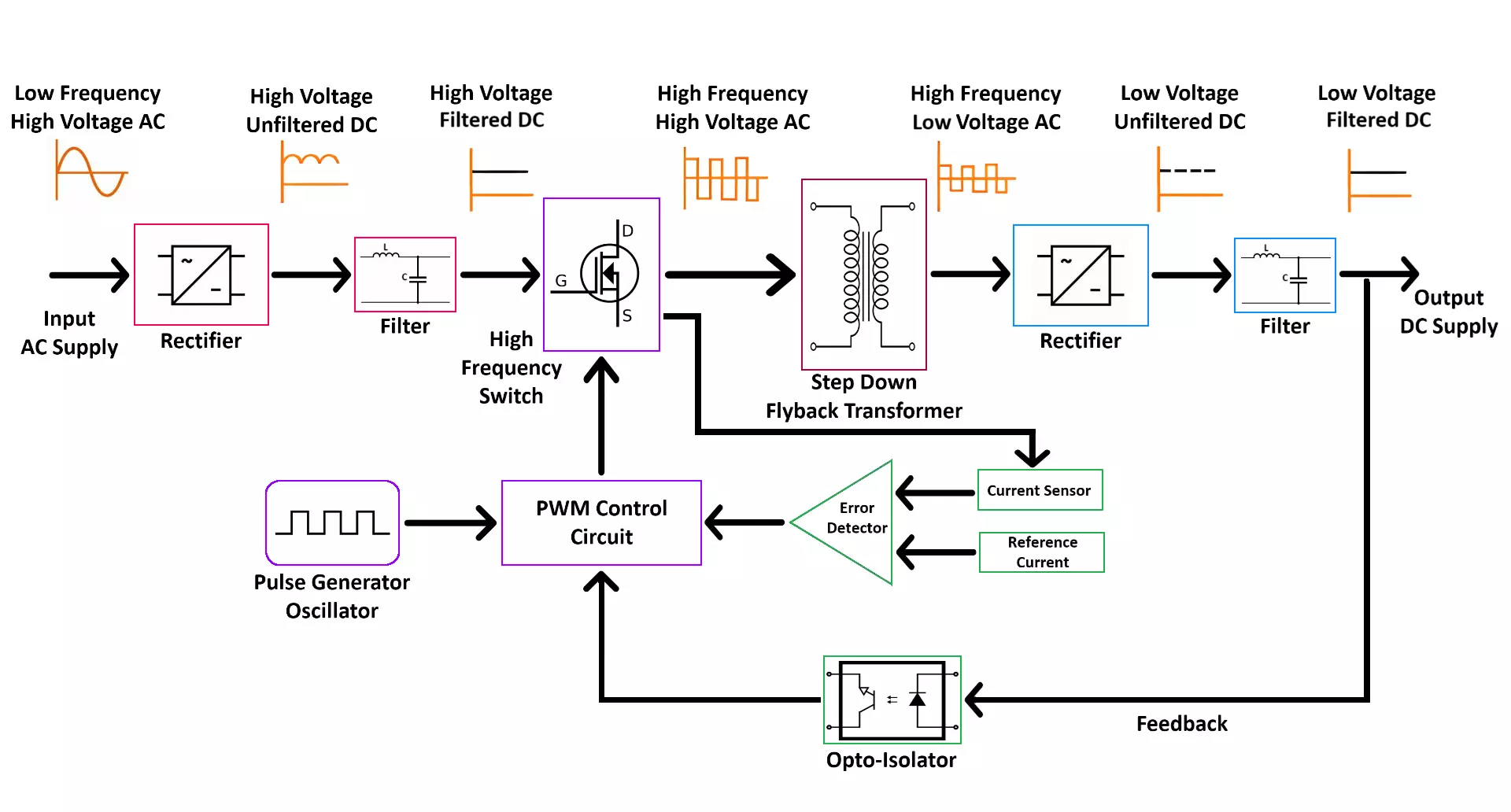
Block diagram of a typical switching power supply.
Programmable DC Power Supply
Programmable supplies (often switching-based) allow digital control via interfaces (USB, LAN, GPIB) or front-panel memory presets.
- Pros: Automation-friendly, waveform generation, sequencing, remote monitoring.
- Cons: Higher cost for advanced models.
- Best for: Automated testing, R&D, production lines, complex experiments.
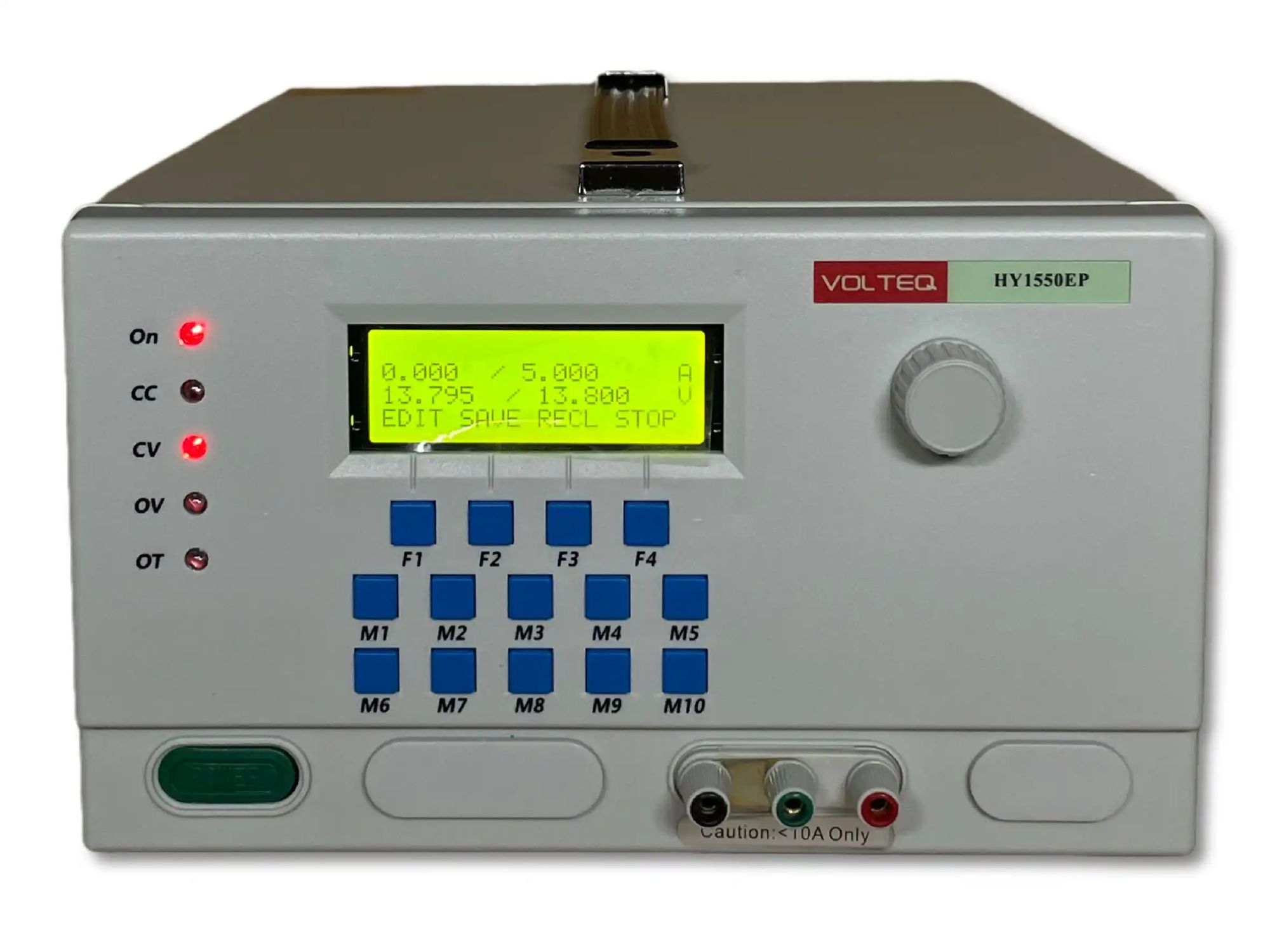
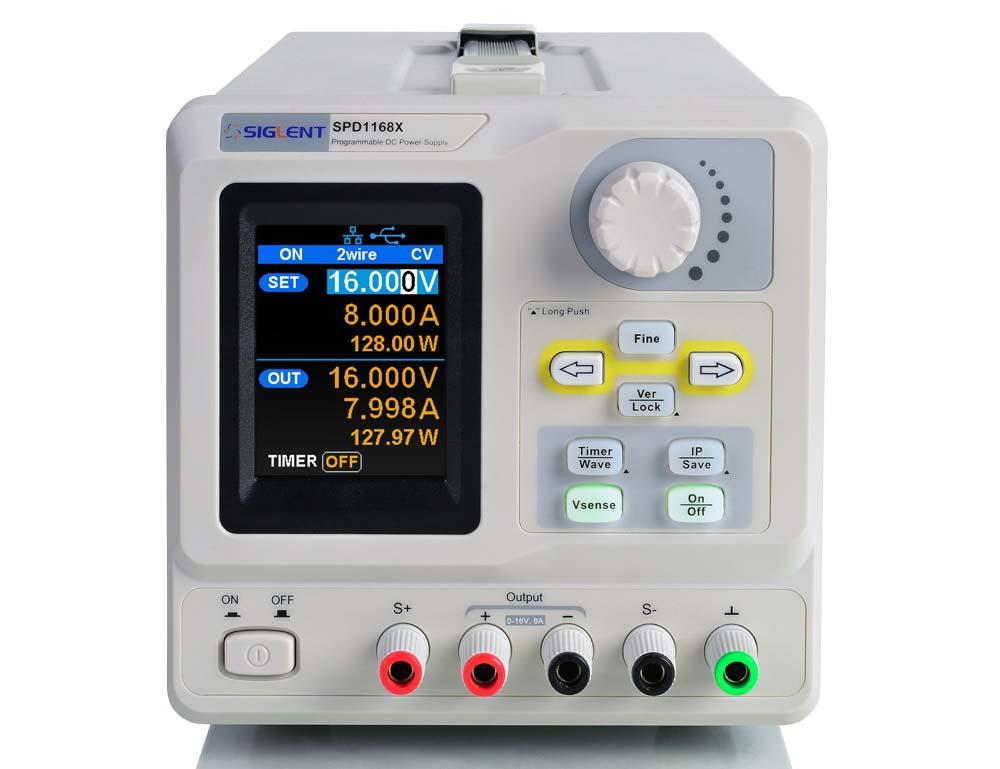
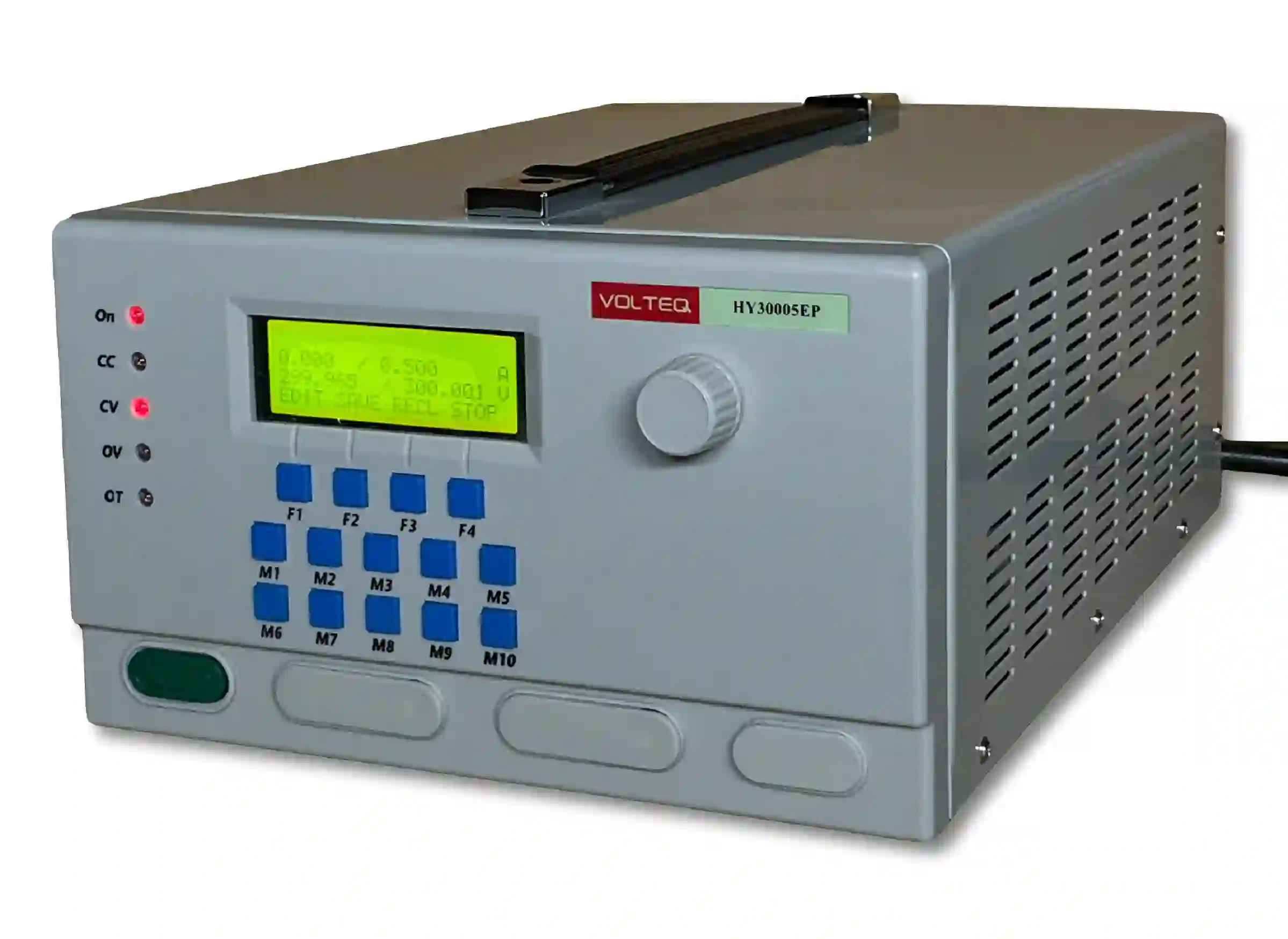
Examples of programmable front panels with digital displays and controls.
4. Application Areas
DC power supplies serve diverse fields:
- Laboratory / Bench Use: Precision testing of circuits, sensors, and prototypes. Low-noise linear or programmable models excel here.
- Industrial: Powering machinery, automation systems, or burn-in testing. Switching types handle high power reliably.
- Electronics Repair / Maintenance: Bench supplies simulate batteries or provide stable voltage for troubleshooting PCBs, phones, or appliances.


Lab bench setups and industrial-style units in action.
5. Buying Guide: Key Features & Tips for 2026
When shopping for a DC power supply, prioritize these:
- Voltage/Current Range & Power: Match your needs (e.g., 0-30V/0-10A for most electronics; higher for industrial).
- Regulation & Accuracy: Look for low ripple (<1mV), high resolution (1mV/1mA).
- Modes: Constant Voltage (CV) / Constant Current (CC) auto-switching.
- Display & Interface: Clear LCD/LED, digital controls, USB/LAN for programmable models.
- Protections: OVP, OCP, OTP, short-circuit protection.
- Efficiency & Cooling: Fan-cooled for high-power units.
- Build Quality: Reliable brands with good warranties.
For lab use, consider programmable options for automation. In 2026, focus on units with better energy efficiency and smart features.
Here are some highly capable programmable DC power supplies worth considering:
- Kiprim DC620S Programmable 400W DC Power Supply (0-60V/0-20A) – Versatile high-power option for demanding tasks. View here
- Kiprim DC310Pro 2-in-1 Programmable Power Supply and Multimeter (0-30V/0-10A) – Integrated multimeter for convenience in testing. View here
- Kiprim Programmable DC Power Supply (0-30V/0-10A, 110V Input) – Reliable standard programmable model. View here
- Kiprim DC605Pro 2-in-1 Programmable Power Supply (0-60V/0-5A) – Compact yet powerful for mid-range needs. View here
These Kiprim models offer excellent precision, programmability, and value for both lab and industrial applications.
Conclusion
A quality DC power supply is a cornerstone investment for electronics work. Start with your specific voltage/current needs and application—linear for ultra-clean output, switching for efficiency, or programmable for advanced control.
Explore the Kiprim lineup above for reliable, feature-rich options that deliver professional performance in 2026.
Ready to upgrade your setup? Check out these programmable DC power supplies and power your next project with confidence.
0 comments